Every thatch quote you receive will name a material, and the choice between cape reed vs thatching grass changes the price, the lifespan and the way the roof looks from inside. Most Cape Town owners are quoted Cape reed. Most Highveld roofs use thatching grass. Neither is universally better, and anyone who tells you otherwise is selling one of them.
Cape reed vs thatching grass: the short answer
Cape reed is a hollow-stemmed water reed harvested in the Western Cape wetlands. Thatching grass is a solid-stemmed grass grown mainly in the northern provinces. Reed is denser, harder to ignite and typically lasts longer in wet coastal conditions. Grass is softer to look at, cheaper to buy in the north, and better suited to dry inland climates.
On a Cape Town roof, in Cape Town weather, reed usually wins. That is a climate argument, not a snobbery argument.
Lifespan and how the two materials age
A well-built Cape reed roof at the right pitch commonly runs thirty to forty years before it needs full replacement. Thatching grass in the same conditions tends to run shorter, often twenty to thirty years, because the solid stem holds moisture where the hollow reed sheds it.
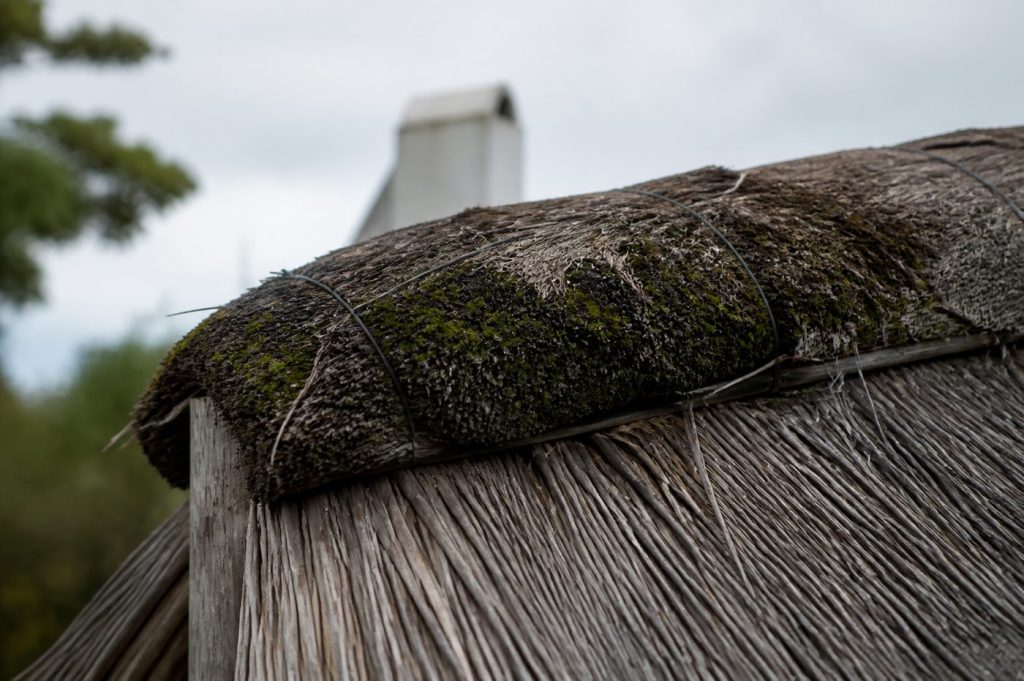
Both materials fail from the top down and from the ridge outwards. Neither rots evenly. We have stripped grass roofs that were sound on the south slope and finished on the north, and reed roofs that lasted decades past their estimate because someone kept the ridge maintained. Maintenance moves the number more than the material does.
Fire behaviour
Reed is harder to ignite than grass. The hollow stem packs tighter, leaves less air in the body of the thatch, and does not carry flame as readily. That does not make a reed roof fireproof. Both materials need to be built to SANS 10407, and both benefit from a fire-retardant treatment and a properly installed lightning conductor.
If an insurer asks what your roof is made of, they are asking about risk, not curiosity. Read our guide to thatch fire safety and compliance in South Africa before you renew a policy.
How each one looks from inside
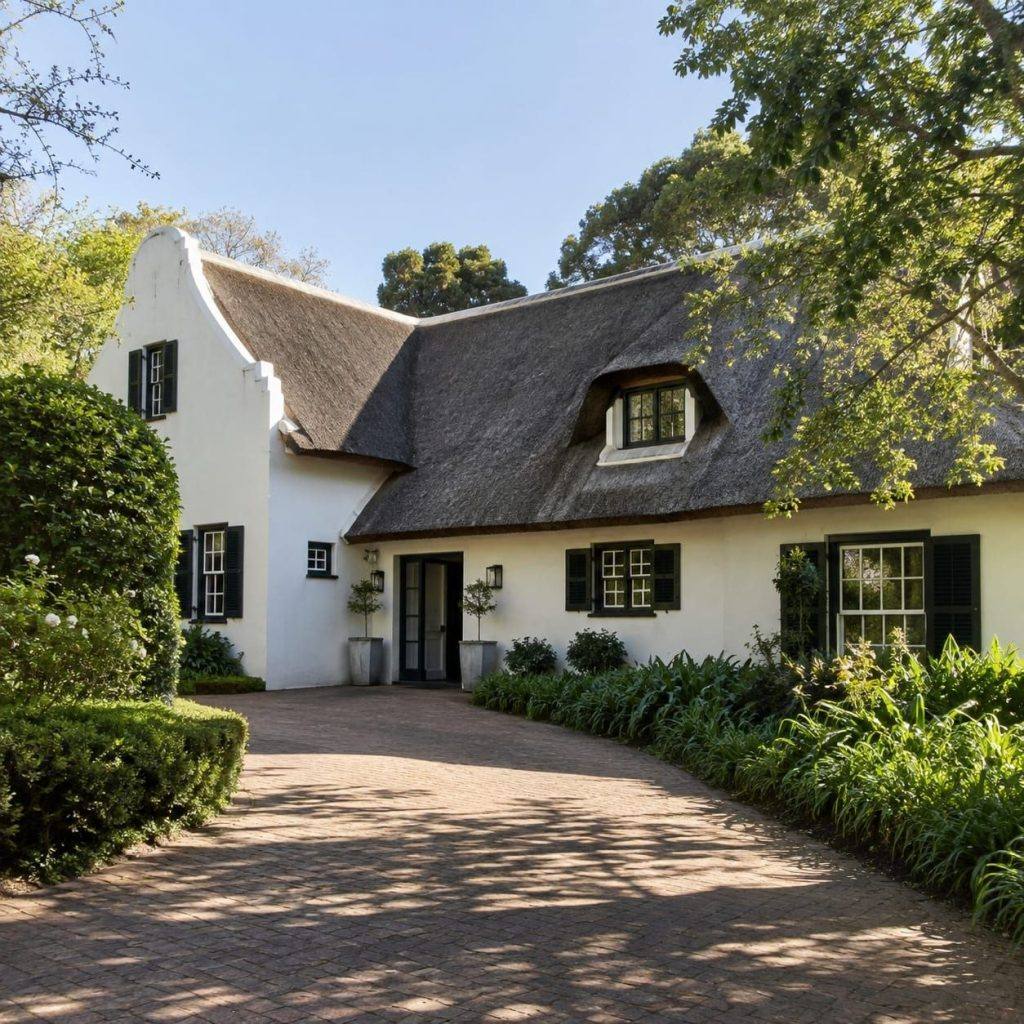
This is the difference most people notice first and nobody mentions in a quote. Cape reed gives a clean, uniform, almost linear ceiling. The stems are similar in diameter and lie tight. It suits a modern or Cape Dutch interior.
Thatching grass gives a softer, more textured, more rustic ceiling. On a bush lodge or a farm cottage it looks right. In a white-walled Constantia lounge it can look busy.
Reed is also close to dust-free as a ceiling layer. Grass sheds fine debris for the first year or two. If you have an open-plan kitchen under the thatch, that matters.
What each one costs
Material is only part of a thatch price, and transport is a real cost in South Africa. Reed is cheaper in the Western Cape because it grows here. Grass is cheaper in Limpopo and Mpumalanga for the same reason. Hauling either one across the country adds cost that has nothing to do with quality.
Across South Africa, a new thatch roof generally runs R450 to R1 000 per square metre installed, and re-thatching an existing structure generally runs R200 to R400 per square metre. Where you land inside those ranges depends on material, access, pitch and roof complexity more than on the reed-or-grass decision alone. Our 2026 thatch roof price guide breaks the drivers down.
Which should you choose for a Cape Town roof?
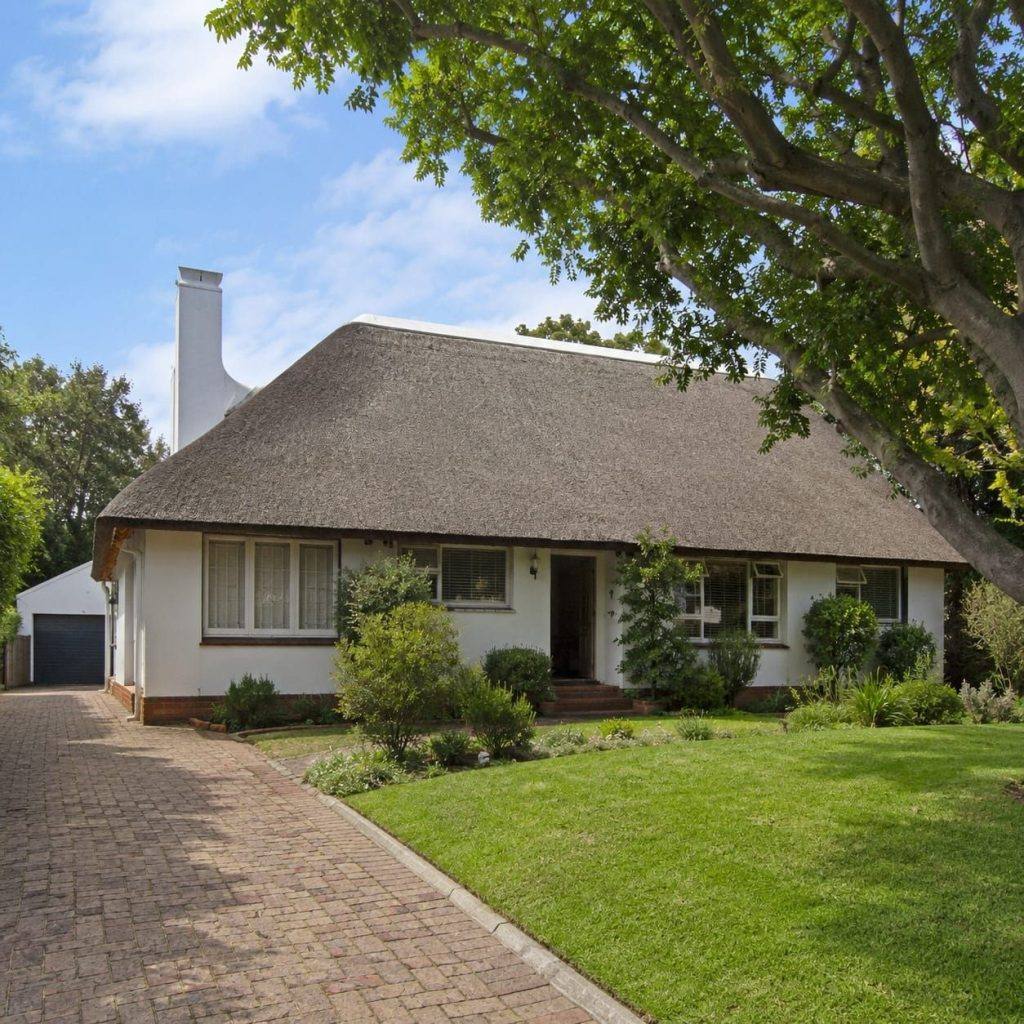
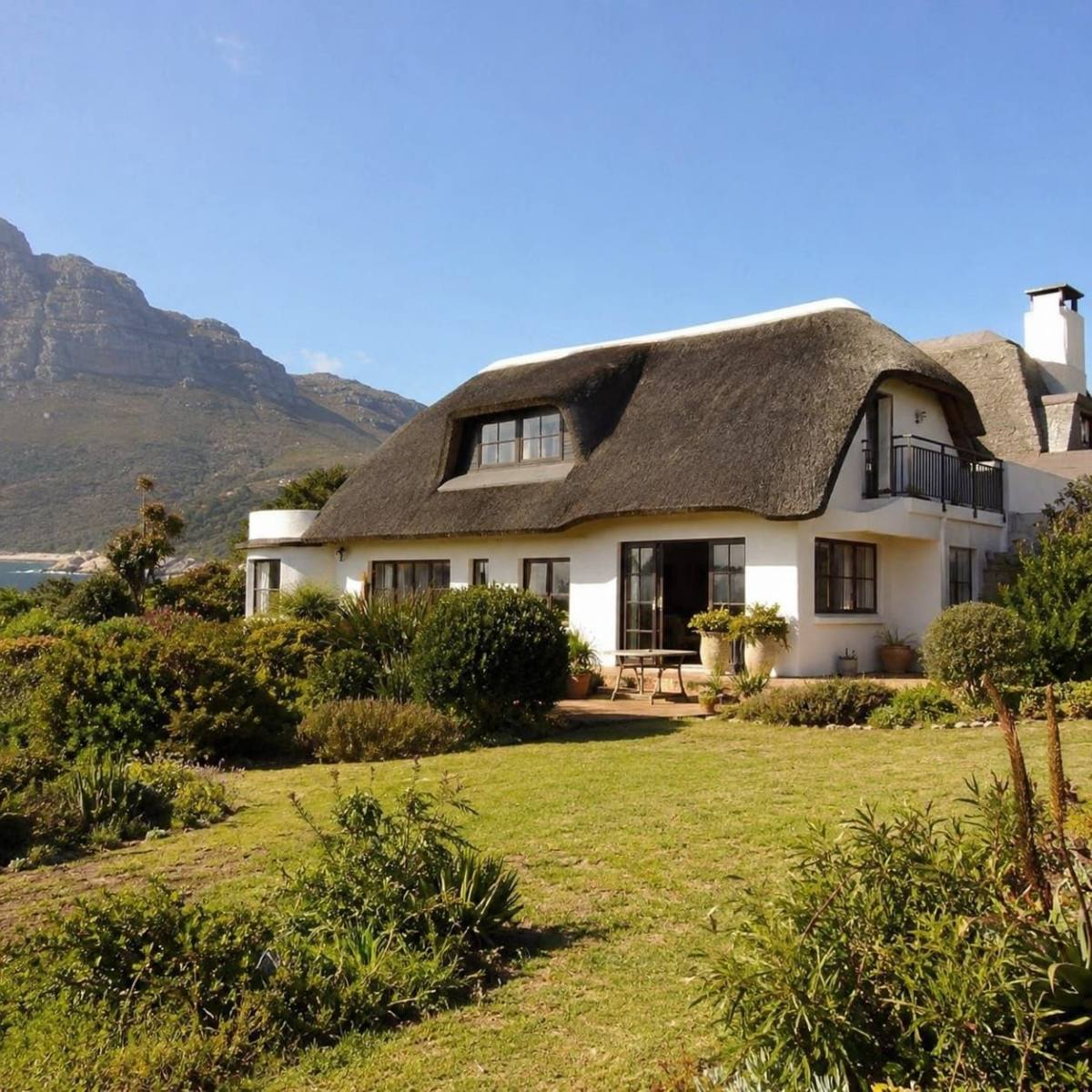
For most homes in Cape Town and the Winelands we recommend Cape reed. It handles the winter rain, it is locally sourced so you are not paying to truck it in, it is harder to ignite, and it gives the ceiling most Cape houses want.
We recommend thatching grass when the client specifically wants that softer rustic look, when they are matching an existing grass roof on the same property, or on a lapa where the shorter lifespan is an acceptable trade for the appearance.
Do not let anyone mix the two on one roof plane. They weather at different rates and the joint will show within a few seasons.
Questions to ask before you sign
Ask where the reed or grass was harvested and in what season. Ask what grade it is. Ask to see a sample bundle, not a photograph. Ask what the quoted lifespan assumes about maintenance, because a thirty-year estimate with no brushing and no ridge work is not a thirty-year roof.
If a quote does not name the material and the grade, it is not a quote you can compare. Our guide on choosing a thatching contractor in Cape Town covers the rest of the checklist.
What we would specify on your roof
On a Cape Town dwelling we specify Cape reed almost every time, at a grade suited to the exposure of the site. On a lapa or boma where the client wants the softer look and accepts a shorter cycle, thatching grass is a reasonable choice. On a commercial building we specify reed for the fire behaviour alone.
Whatever the material, the things that actually decide how long it lasts are pitch, dressing density and ridge maintenance. Our guide on thatch roof pitch covers the first, and thatch ridge replacement covers the last. A cheap material laid well outlives an expensive one laid badly.
Frequently asked questions
Is Cape reed better than thatching grass?
For a Cape Town roof, usually yes. Cape reed is denser, harder to ignite, close to dust-free as a ceiling and better suited to wet winters. Thatching grass suits dry inland climates and a softer rustic look.
How long does a Cape reed roof last?
A well-built Cape reed roof at the correct pitch commonly lasts thirty to forty years. Thatching grass in the same conditions typically runs shorter. Maintenance affects the outcome more than the material.
Which is cheaper, Cape reed or thatching grass?
It depends where you build. Reed is cheaper in the Western Cape where it is harvested, grass is cheaper in the northern provinces. Transport is often the real cost difference.
Can you mix Cape reed and thatching grass on one roof?
We do not recommend it on the same roof plane. The two materials weather at different rates and the join becomes visible within a few seasons.
Want a straight answer on your own roof?
Free inspections across Cape Town and the Winelands. We’ll give you the number, the photos and the options: no pressure to book anything.