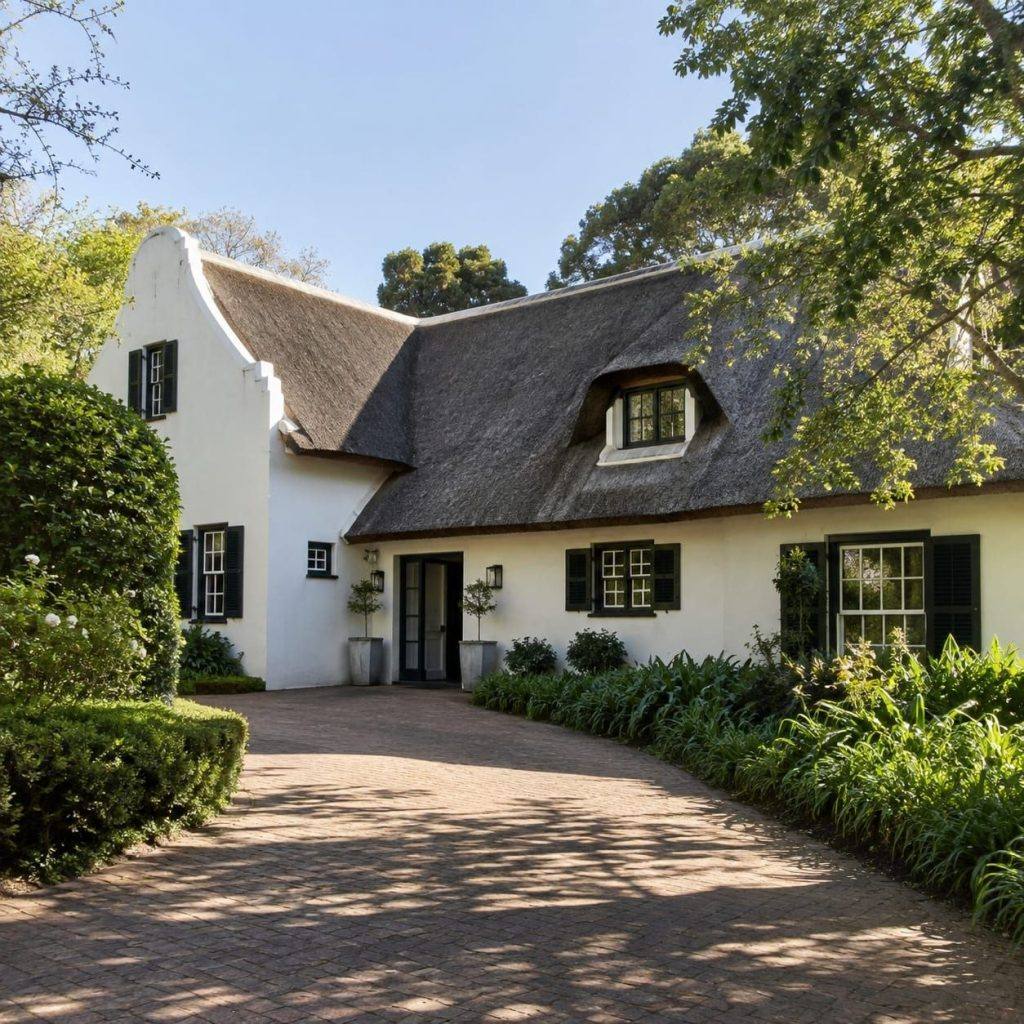
Picking a thatching contractor Cape Town homeowners can rely on is difficult precisely because bad thatching looks fine on handover day.
Choosing a thatching contractor is harder than it should be, because the worst work looks fine on handover day. A thin roof and a thick roof are indistinguishable until year ten, when one of them starts leaking. So you are not really buying a finished look: you are buying the reed you cannot see and the honesty of the person laying it. Here is how to tell the good ones apart in Cape Town.
Choosing a thatching contractor Cape Town homeowners can trust
- They work in proper Cape reed and can tell you its grade and the thickness they lay: in writing.
- They quote in detail, not as a single rand-per-square-metre figure that hides what you are actually getting.
- They can show you real work: completed roofs and lapas you can look at or drive past.
- They handle fire compliance and give you the retardant certificate your insurer wants.
- They will talk you out of work when a repair beats a re-thatch, instead of selling you the bigger job.
Questions worth asking before you sign
Ask what reed grade and thickness they will lay, and get it on the quote. Ask how they will handle the pitch and ridge. Ask whether fire-retardant treatment is included or extra. Ask to see a roof they finished a few years ago: not last week, but one that has weathered a couple of Cape winters. A good thatcher answers all of that easily; a chancer gets vague.
Red flags to walk away from
- A single price per square metre with no mention of reed grade, thickness or pitch.
- A quote dramatically cheaper than everyone else: our cost guide explains where that money usually comes out.
- No references, no projects to show, and pressure for a cash deposit up front.
- Hand-waving on fire compliance or the retardant certificate.
Why local knowledge matters
Cape Town is hard on thatch in specific ways: the south-easter, the coastal salt, the damp shade under the oaks: and a thatcher who works here knows which slope will age first and how to detail for it. That local read is the difference between a roof that is patched reactively and one that is built and maintained for the conditions it actually faces. If a contractor cannot speak to your roof’s exposure, they have not really looked at it. It also shows up later in simple things, like knowing when a repair is the right call rather than a full re-thatch.
If you want to see how we work, read a bit about us, browse our recent projects and the full range of thatching services we offer, then get in touch for a straight, detailed quote.
What a complete quote should contain
Material and grade, the thickness to be laid, the ridge detail, whether stripping and disposal are included, scaffolding, fire-retardant treatment, and a stated position on how timber repairs will be priced if rot is found once the roof is open.
That last one matters most. Rotten timber is the commonest reason a re-thatch price changes, and the time to agree how it is handled is before the roof comes off, not halfway through.
Checking the work while it happens
You do not need to be a thatcher to spot the important things. Is the interior sheeted before stripping starts? Is the crew dressing the thatch, beating the butt ends into compaction, or just fixing bundles? Were you shown the timber before it was covered up?
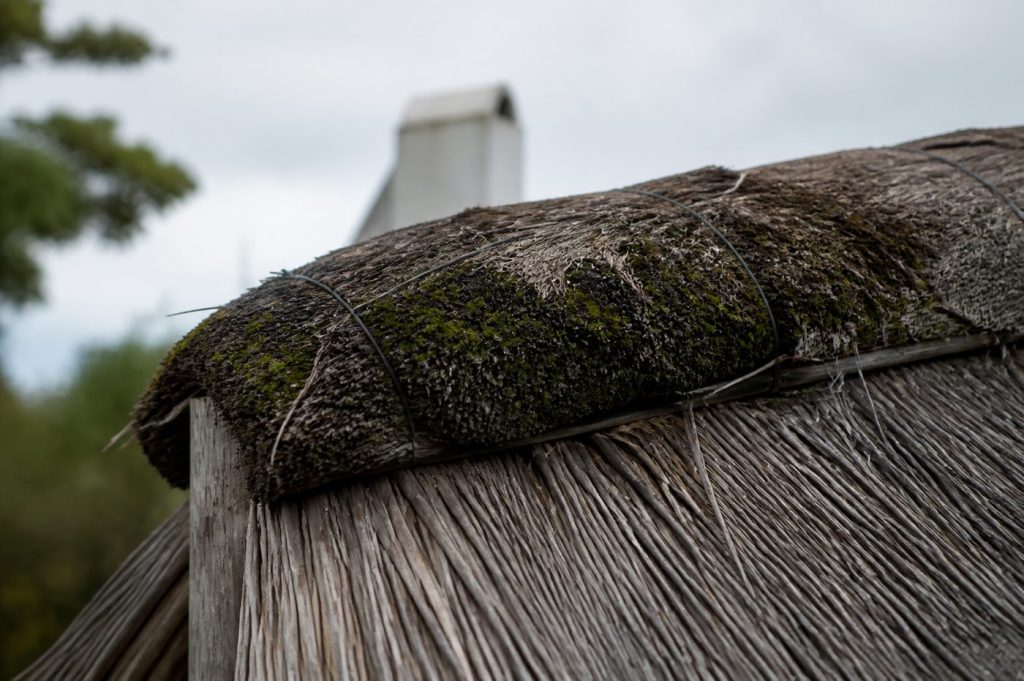
Compaction is where craft shows and it is the thing that decides whether the roof sheds water in ten years. A good thatcher spends a lot of time on it.
Why bad thatching is invisible on handover day
This is the central problem for owners. A thin roof and a thick roof look identical from the ground when both are new and golden. Under-dressed thatch that was never properly compacted looks the same as a roof beaten hard.
The difference appears in year five to year ten, as early leaks, rapid thinning and a ridge that fails sooner than it should. By then the contractor is long gone and the cost is yours.
References that actually tell you something
Ask to see a roof the contractor finished eight or ten years ago, not one finished last month. Every new thatch roof looks good. A roof that still looks good after a decade of Cape winters tells you something real about how it was built.
Ask that owner what maintenance they have had done and whether the contractor came back when asked. That conversation is worth more than any photograph.
Related reading: how to measure a thatch roof, thatching materials explained and the re-thatching process.
Frequently asked questions
How do I choose a thatching contractor in Cape Town?
Ask for completed projects you can visit, ask what material and grade they quote, ask the thickness to be laid, and ask how they handle rotten timber found during a strip.
What are the warning signs of a bad thatcher?
A quote that does not name material, grade or thickness, no position on timber repairs, no reference projects, and no mention of pitch on a marginal roof.
Why does the quality of the thatcher matter so much?
Because a thin roof and a thick roof look identical on handover day. Bad thatching shows up five to ten years later as early failure.
Should I choose the cheapest thatching quote?
Not without understanding why it is cheaper. Cheap quotes usually buy thinner thatch or lower grade material, which is a different roof rather than a better price.
Want a straight answer on your own roof?
Free inspections across Cape Town and the Winelands. We’ll give you the number, the photos and the options: no pressure to book anything.