The honest answer on thatch roof lifespan Cape Town owners can plan around is that two roofs of the same age can be decades apart in condition. Here is what actually decides it.
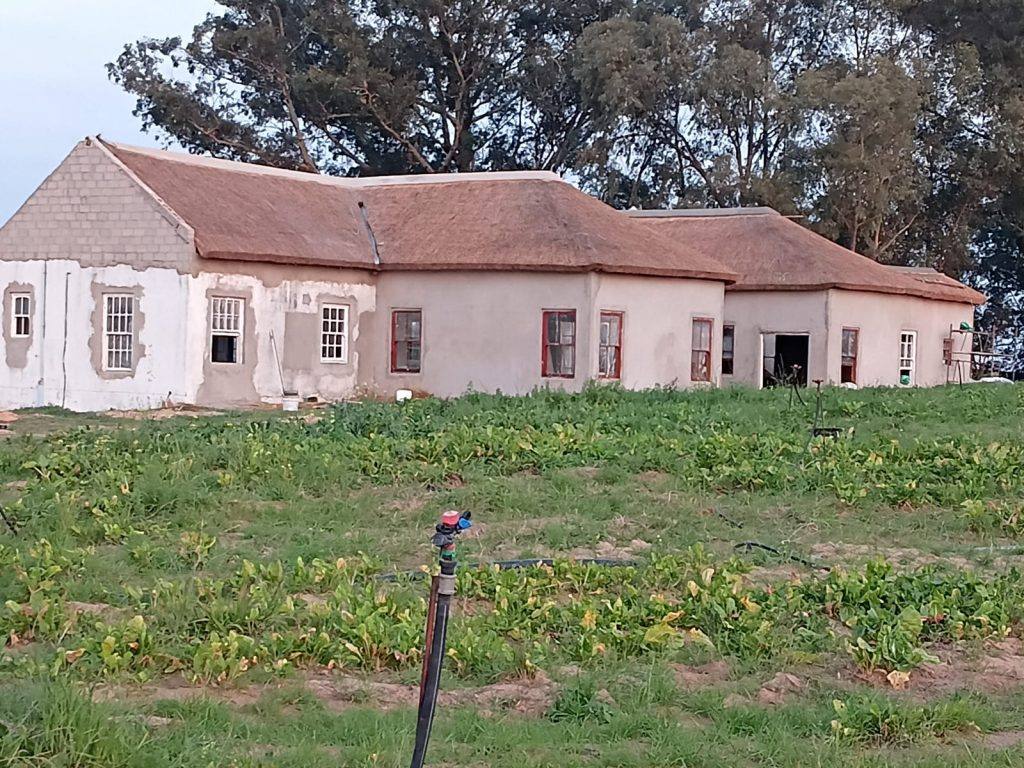
We re-thatched a house in Kommetjie last winter whose roof was twenty-three years old and finished. Two kilometres inland, in Sun Valley, we inspected a roof from the same year and the same original thatcher that still has a decade left in it. Same reed, same era, wildly different outcome: and it comes down to exposure, pitch and whether anyone maintained it.
1. Reed grade and thickness
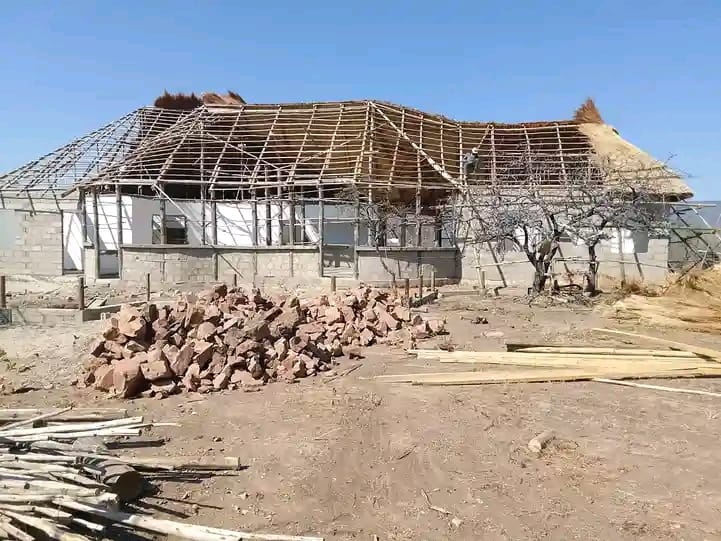
Cape reed cut mature, dried properly and graded for straightness lasts substantially longer than cheap short-cut bundles. Thickness matters just as much: a roof laid at 200-250 mm has years of weathering to give up before water finds the battens. A 150 mm roof looks identical on handover day and is thin by year fifteen.
If a quote is meaningfully cheaper than everyone else’s, this is almost always where the money came out. Ask for grade and thickness in writing.
2. Pitch: the thing you can’t fix later
Thatch doesn’t seal water out, it sheds it. Below about 45° the water slows down, sits in the reed, and the roof starts composting from the outside in. We see it constantly on patio roofs and lean-tos that were built to match a low fascia line rather than to shed Cape rain.
Rule of thumb: 45° is the minimum for a roof you expect to keep thirty years. Every degree under that shortens the life of the thatch, and no amount of retardant, sealant or spray coating buys it back.
3. Where the roof sits in Cape Town
Our climate is not one climate. A roof in Kommetjie or Bloubergstrand takes salt air and near-constant summer south-easter; the wind scours the reed on the exposed slope and drives rain into it in winter. Deep in the Southern Suburbs, under oaks in Constantia, the problem inverts: less wind, but shade and leaf litter keep the north slope damp, and moss follows.
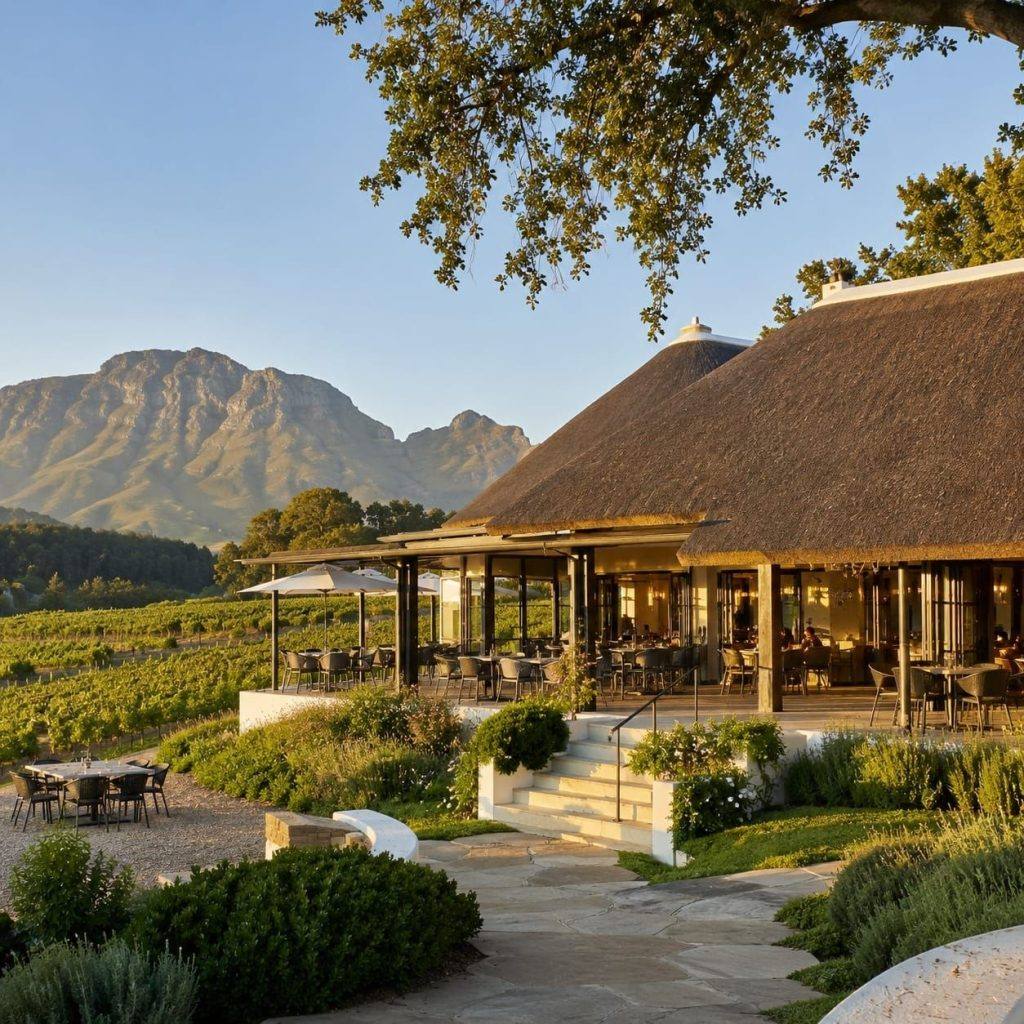
In the Winelands the roofs bake. UV breaks down the exposed reed tips faster than anything else on the property, which is why Paarl and Franschhoek roofs often need the ridge attended to long before the slopes. Practically: expect the coast to cost you five to eight years against an inland equivalent, and expect one slope of any roof to age faster than the rest.
4. Whether anybody looked after it
This is the biggest variable and the cheapest to control. A roof that gets combed, has its valleys cleared and its ridging checked every two years will comfortably outlast a neglected one by a decade. The ridge fails first: it takes the wind, it holds the fixings, and once it opens, water runs into the body of the thatch instead of over it.
Budget for a ridge rebuild somewhere around year twelve to fifteen. It is a fraction of a re-thatch and it’s the single best money you’ll spend on a thatch roof.
Thatch roof lifespan Cape Town: what to expect
On a properly built Cape Town roof: graded reed at 200 mm plus, 45° or steeper, maintained every second year: thirty to forty years, with a ridge rebuild in the middle. Coastal and exposed: twenty-five to thirty. Shallow-pitched patio thatch that nobody touches: fifteen, and you’ll be chasing leaks from year ten.
If your roof is somewhere past twenty and you’re not sure which category it’s in, that’s exactly what a free inspection is for. We’ll walk it, photograph the thin spots, and tell you plainly whether you’re looking at a repair, a ridge, or the real thing.
Coastal roofs versus inland roofs
The difference between a Kommetjie roof and a Durbanville roof is salt and wind. Coastal thatch takes constant salt-laden air, which corrodes fixings faster than most owners realise, and sustained wind that works at any loose material on the exposed slope. Inland roofs in the northern suburbs get hotter summers and less salt, and they generally hold their fixings longer.
Neither is better or worse, they simply fail differently. On a coastal roof we check fixings and the windward slope first. On an inland roof we look harder at the sun-facing slope, where ultraviolet breaks down the exposed stem ends over decades.
Why two identical roofs age differently
We have inspected neighbouring houses built in the same year by the same builder where one roof had fifteen years left and the other was finished. The variables were shade from a large tree on one property, and a ridge that had been replaced twice on the other.
That is the practical lesson. Thatch lifespan is not a property of the material, it is the outcome of pitch, exposure and how often somebody looked at it. The material sets the ceiling and maintenance decides how close you get to it.
Related reading: why thatch roof pitch decides everything, thatch ridge replacement and Cape reed vs thatching grass.
Frequently asked questions
How long does a thatch roof last in Cape Town?
A well-built Cape reed roof at the correct pitch commonly lasts thirty to forty years. Exposure, pitch and maintenance move that number far more than the age of the roof alone.
What shortens a thatch roof lifespan?
Shallow pitch, thin or low grade material, heavy shade and moss, coastal wind exposure, and skipped ridge maintenance. Pitch is the one that cannot be corrected later.
Can you extend the life of an existing thatch roof?
Yes. Replacing the ridge on time, brushing every few years, clearing moss and cutting back overhanging branches all add years for a fraction of a re-thatch cost.
How do I know how much life my thatch roof has left?
It is judged by probing thickness and density on each slope, not by age. Exposed fixing wire and persistent leaks across whole slopes indicate the body of the thatch is finished.
Want a straight answer on your own roof?
Free inspections across Cape Town and the Winelands. We’ll give you the number, the photos and the options: no pressure to book anything.