Somewhere between quotes, most owners come across thatch tiles: often by the brand name Harvey: and wonder if they are a smarter option than the real thing. It is a fair question, and the answer is not the same for everyone. Here is a straight comparison of thatch tiles and genuine Cape reed thatch, from people who lay the real thing but have no problem telling you when it is not the right call.
What are thatch tiles?
Thatch tiles are lightweight metal or composite panels moulded and coloured to imitate a thatched surface from a distance. They bolt onto a normal pitched roof structure. They are not reed: there is no grass on the roof: they simply borrow the look. That single fact drives every difference below.
Cape reed thatch vs thatch tiles
- The look. Up close, real thatch has depth and texture that tiles cannot fully copy; from the street, a good tile roof is convincing.
- Insulation. A thick reed roof keeps a house noticeably cooler in a Cape summer than a thin metal tile does: this is thatch’s quiet advantage.
- Maintenance. Tiles need very little; real thatch needs the twice-a-year attention we cover in our maintenance guide.
- Fire. Tiles remove the fire question almost entirely; real thatch manages it with retardant treatment and sensible detailing.
- Lifespan. A well-built reed roof runs thirty-plus years with maintenance; tiles last a long time too, but you lose the character in exchange.
- Cost. The two are priced completely differently: see our thatch roof cost guide for how real thatch is quoted.
Where thatch tiles make sense
If you want the thatched look with almost no upkeep, you are nervous about fire, or you are re-roofing a property where a real thatch roof is impractical, tiles are a genuinely sensible choice. There is no shame in it: they solve a real problem for the right owner.
Where real thatch still wins
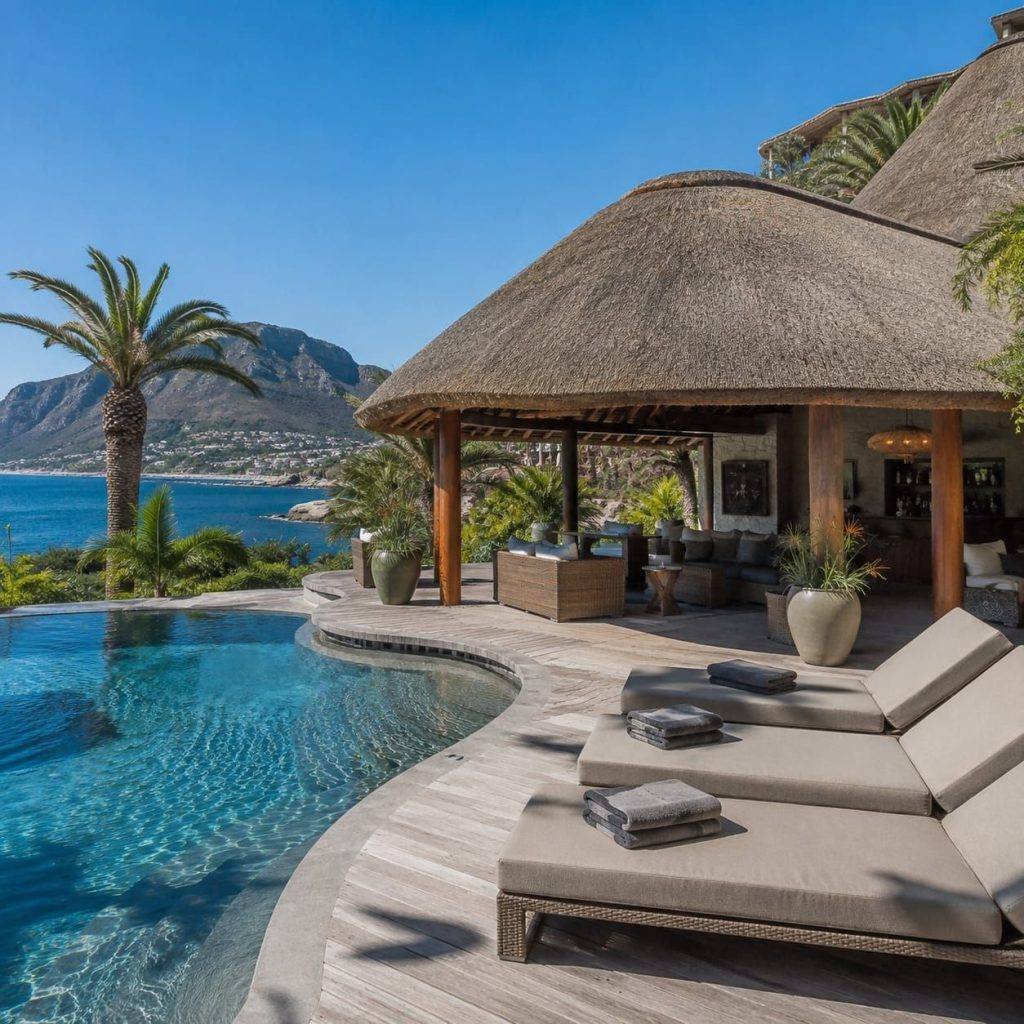
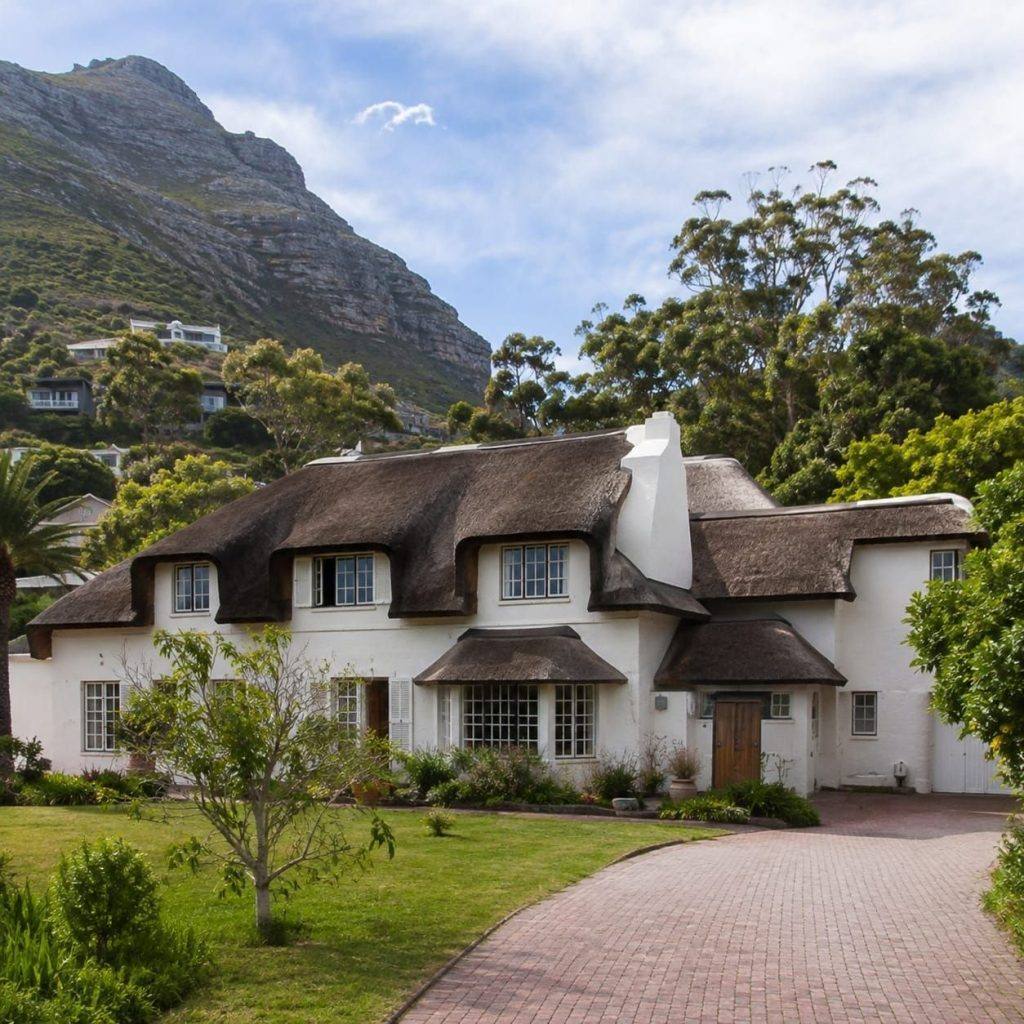
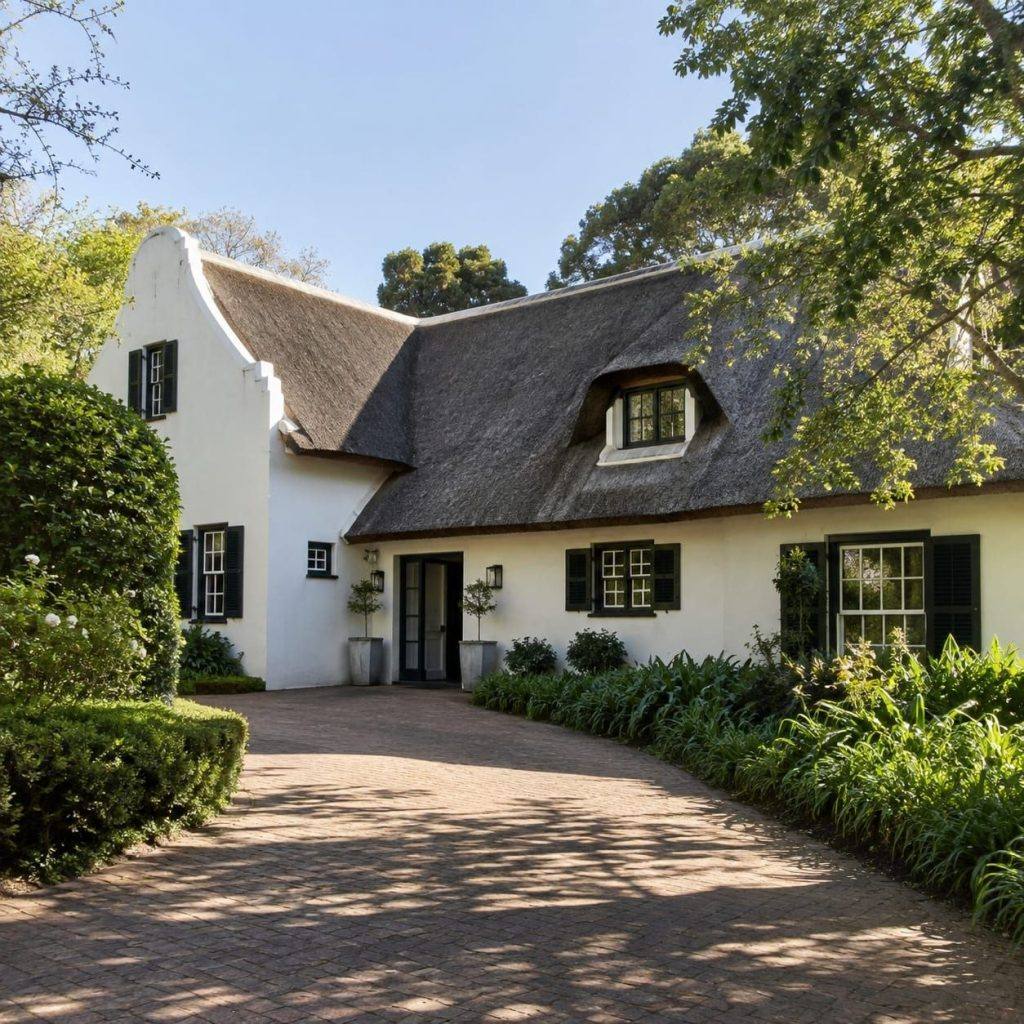
For a Cape farmhouse, a lapa, a lodge or any home where the thatch is part of the character, nothing replaces real reed. It is cooler to live under, it ages beautifully, and in the right setting it holds its value in a way an imitation surface does not. A properly maintained reed roof is a feature, not a liability: our piece on how long thatch lasts here makes the long-term case.
Our honest take
We build in real Cape reed because that is where thatch earns its keep: the cooling, the look, the craft. But if a tile roof is genuinely the better fit for your situation, we would rather tell you that than sell you the wrong roof. If you are weighing the two, the best next step is a look at the actual building.
See what we do on our thatching services page, and get in touch for a straight recommendation for your roof.
How the two compare over twenty years
Real thatch needs maintenance: ridge replacement several times, periodic brushing, treatment reapplication, and eventually a re-thatch. Thatch tiles need effectively none of that, which is their strongest argument.
Against that, thatch tiles need conventional ceiling insulation to get anywhere near thatch thermally, they have none of the interior character, and they do not carry the property appeal that thatch does in the Winelands and along the coast. Over twenty years the maintenance saving is real and so is what you give up.
The conversion nobody budgets properly
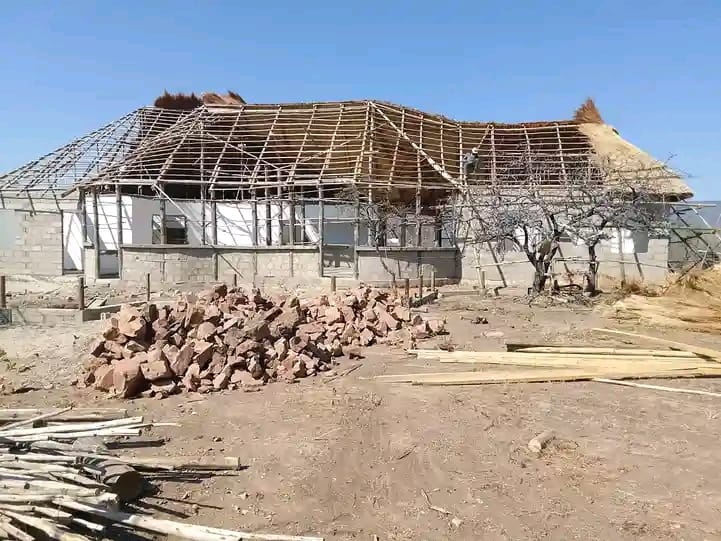
Switching from thatch to tiles is not a re-roofing job, it is a structural one. The existing frame was designed for a thatch load at a thatch pitch, and it usually needs strengthening or replacing before tiles can go on.
That is why conversion quotes surprise people. If the reason you are considering it is a badly maintained thatch roof rather than thatch itself, re-thatching properly is often the cheaper and better answer.
Who each option actually suits
Thatch tiles suit owners who like the profile from the street but want a roof they never think about, holiday properties that stand empty for long periods, and anyone whose insurance situation on thatch has become difficult.
Real thatch suits owners who want the interior, the insulation and the character, and who are prepared to maintain a roof on a schedule. If the thatch ceiling is part of why you bought the house, tiles will not replace it.
Cost over the life of the roof
Comparing the two on installed price alone misses the point. Real thatch carries ongoing costs: ridge replacement several times, brushing every few years, treatment reapplication, higher insurance, and eventually a re-thatch at R200 to R400 per square metre.
Thatch tiles carry almost none of that, but they are a full re-roofing job to install on an existing thatched house, including the structural work, and they deliver a different building. Run both over twenty years rather than comparing day-one prices.
Related reading: thatching materials explained, thatch roof pros and cons and thatch roof insulation.
Frequently asked questions
What are thatch tiles?
Steel or metal roof tiles with a stone-chip finish shaped to resemble a thatch profile. They are a conventional metal roof, not a thatch product.
Are thatch tiles cheaper than real thatch?
They remove the ongoing thatch maintenance and fire compliance costs, but the installed cost and the character of the roof are entirely different. They suit owners leaving thatch behind.
Do thatch tiles insulate like thatch?
No. Real thatch is 200mm or more of trapped air and insulates far better. Thatch tiles need conventional ceiling insulation like any metal roof.
Do thatch tiles look like thatch?
From a distance they read as a thatch profile. Close up and from inside they are clearly a metal roof, with none of the exposed thatch ceiling character.
Want a straight answer on your own roof?
Free inspections across Cape Town and the Winelands. We’ll give you the number, the photos and the options: no pressure to book anything.