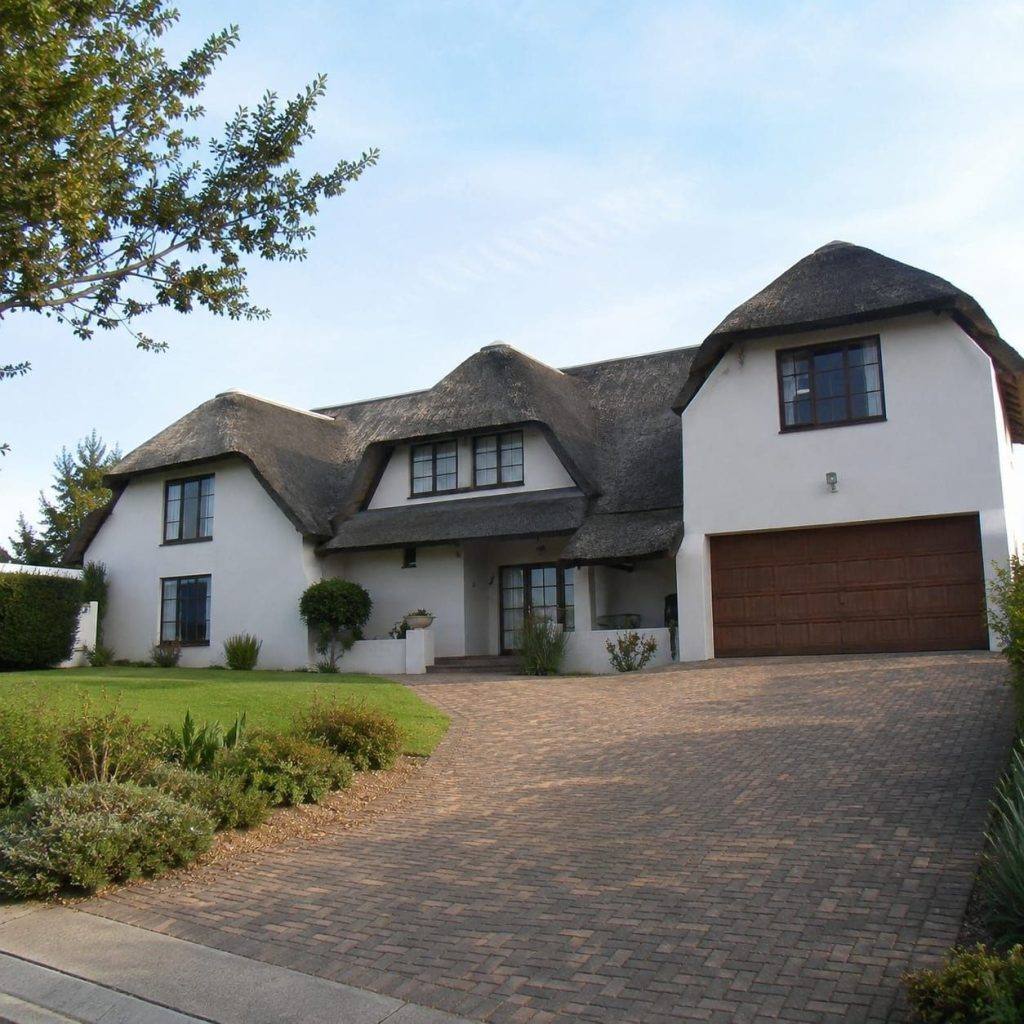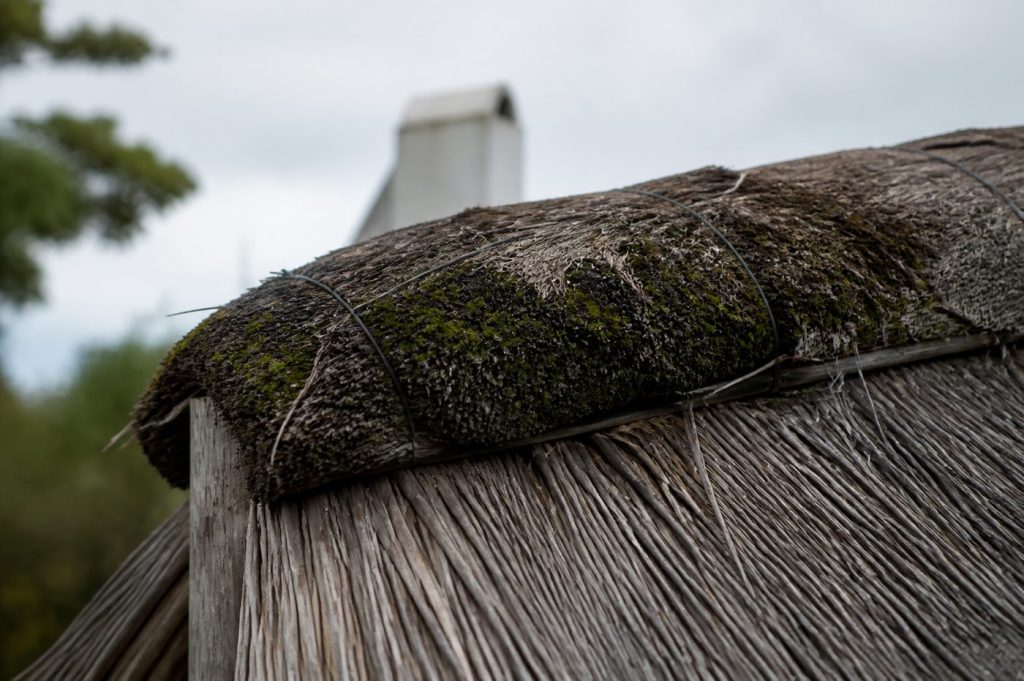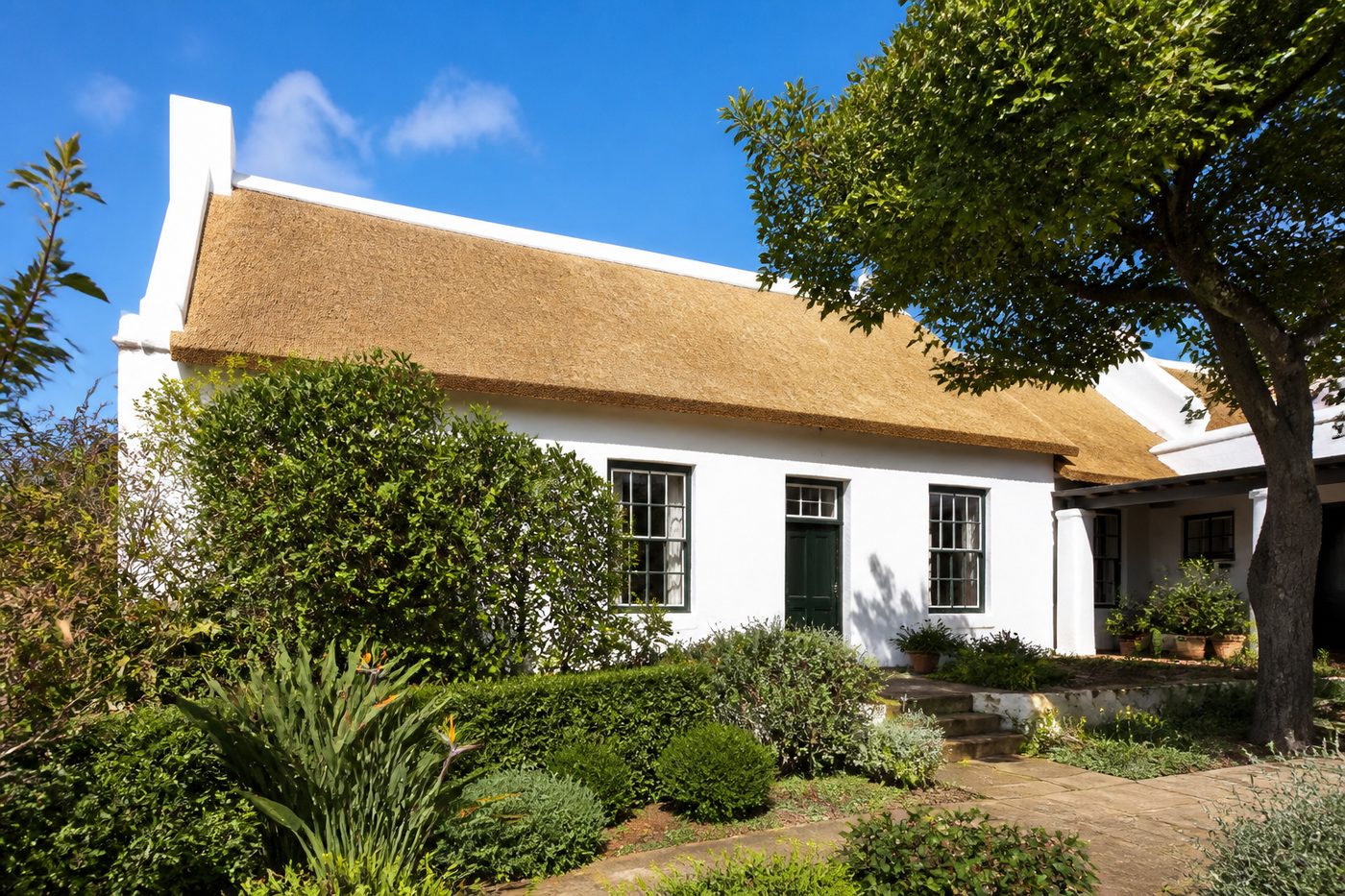
Thatch roof insurance is the point where thatch stops being a style choice and becomes an admin problem. Cover is available and it is not unaffordable, but insurers treat thatch as a higher fire risk and they will ask for things they do not ask a tiled-roof owner for. Knowing what those things are before you apply saves money and refusals.
Why insurers treat thatch differently
The concern is fire. A thatch fire spreads fast, is hard to fight, and frequently results in a total loss rather than a partial claim. That risk profile is what drives the premium and the conditions, not the value of the house.
Lightning is the leading ignition cause on South African thatch, ahead of chimneys and electrical faults. That is why lightning protection dominates the requirements list.
What insurers usually require
SANS 10407 compliance. Every thatched roof built in South Africa is meant to comply with SANS 10407, the standard covering thatched roof construction, alongside SANS 10400-T for fire protection in buildings. An insurer may ask for evidence the roof was built to it.
A lightning conductor. Most insurers require a properly installed and earthed lightning protection system on a thatched dwelling. Some make cover conditional on it. Our guide to lightning protection for thatch roofs covers how these work and what they cost.
Fire-retardant treatment. Many policies want a current fire-retardant treatment with a certificate. Treatments are not permanent and typically need reapplication on a cycle, so an expired certificate can matter at claim time.
Distance and boundaries. Proximity of the thatch to boundary walls, other structures and neighbouring buildings affects the assessment, particularly on smaller plots.
Chimney detail. If there is a fireplace under thatch, the chimney height above the ridge and its construction will be looked at.
The paperwork that actually lowers your premium
Insurers price on evidence, not assurance. The documents worth having in a folder are the fire-retardant treatment certificate with its date, the lightning conductor installation and earthing test certificate, any SANS compliance documentation from construction or the last re-thatch, and a recent roof inspection report.
We provide inspection reports for exactly this purpose. An owner who can produce a dated report showing the ridge is sound and the thatch has been maintained is a different proposition from one who cannot.
What is usually excluded
Read the wording on gradual deterioration. Most policies cover sudden events such as fire, storm and lightning, and exclude wear, rot and gradual water ingress. A thatch roof that has slowly thinned to the point of leaking is a maintenance cost, not a claim.
That distinction is why keeping up with routine thatch maintenance matters financially and not just practically.
Buying a house with a thatch roof
Sort the insurance question before transfer, not after. Get an independent thatch inspection during the offer period, ask the seller for the treatment and lightning certificates, and confirm with your insurer that they will cover the property on acceptable terms.
We are regularly called in after transfer by owners who discovered their new roof needs work their insurer will not pay for. Our guide on the thatch roof inspection before you buy explains what to check.
If your premium seems too high
Get quotes from insurers who write thatch regularly rather than treating it as an exception, and go back with the certificates in hand. Fitting a lightning conductor, renewing an expired fire treatment and producing a current inspection report will often move the number more than shopping around alone.
If the roof itself is the problem, fixing it is the answer. Compliance work has a cost, but it is smaller than being uninsured on a thatched house.
What to do before you renew
Check the date on your fire-retardant treatment certificate. Treatments are not permanent and an expired certificate can matter at claim time even though nobody asked you for it at renewal. Check that your lightning conductor has a current earthing test. Then get a dated roof inspection so you have evidence of condition rather than an assurance.
Those three documents cost far less than a declined claim, and they frequently move a premium down at renewal.
Declaring changes to the roof
Anything that changes the risk should be declared: a new braai or fireplace under the thatch, a solar installation, an extension that brings thatch closer to a boundary, or a change from thatch to another covering. Undeclared changes are one of the more common grounds for a claim being reduced or refused.
Our guides on thatch fire safety and compliance, solar panels on thatch roofs and thatch roof extensions cover the three changes owners most often make without telling anyone.
Frequently asked questions
What insurance options are there for thatched roof houses?
Standard household cover is available from insurers who write thatch, usually with conditions on lightning protection, fire-retardant treatment and SANS compliance. Insurers that treat thatch as routine tend to price better than those treating it as an exception.
Is thatch roof insurance more expensive in South Africa?
Generally yes, because a thatch fire often results in a total loss. The gap narrows considerably when you can produce lightning conductor certificates, a current fire treatment and a recent inspection report.
Do I need a lightning conductor for insurance?
Most South African insurers require a properly installed and earthed lightning protection system on a thatched dwelling, and some make cover conditional on it. Lightning is the leading ignition cause on thatch here.
Does insurance cover a leaking thatch roof?
Usually not. Policies typically cover sudden events like fire, storm and lightning, and exclude gradual deterioration. Thatch that has thinned and started leaking is a maintenance cost.
Want a straight answer on your own roof?
Free inspections across Cape Town and the Winelands. We’ll give you the number, the photos and the options: no pressure to book anything.