Thatch roof insulation is the one thing thatch does better than almost any modern roof covering, and it is the reason many Cape Town owners keep their thatch even when a tile roof would be cheaper to maintain. A properly built thatch roof is a thick layer of trapped air, and trapped air is what insulation actually is.
How thatch roof insulation actually works
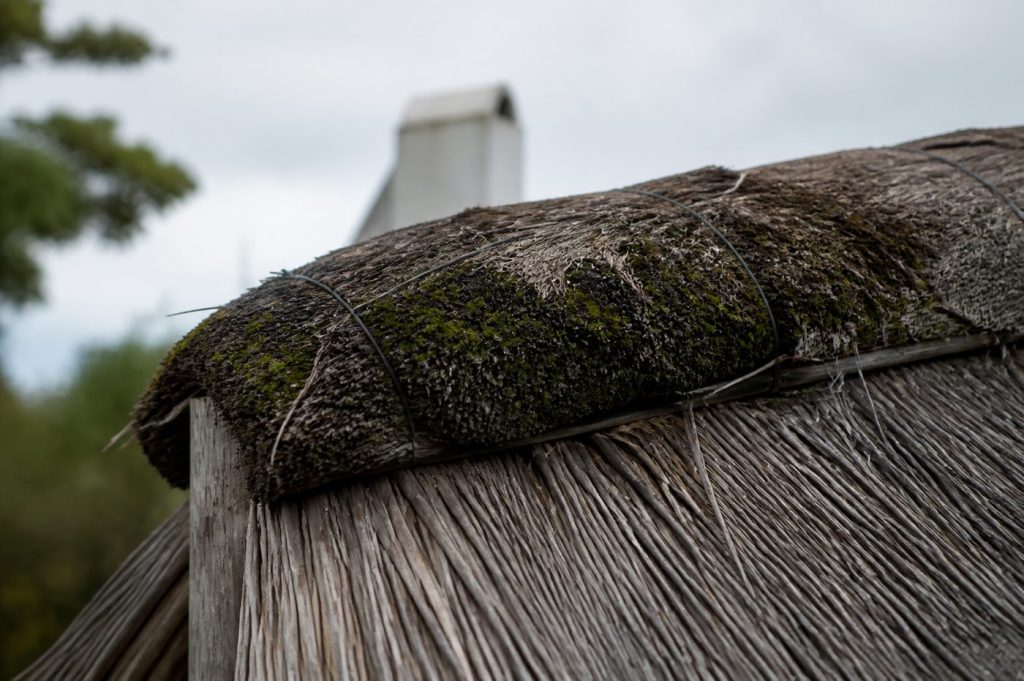
A thatch roof is typically 200mm or more of densely packed reed or grass. The stems are hollow or pithy and they lie against each other with countless small air pockets between them. Heat moves slowly through still air, so the roof resists both summer heat coming in and winter warmth going out.
No additional material is doing the work. The thatch is the insulation, the structure and the weatherproofing all at once. That is unusual in roofing and it is why the ceiling under thatch feels different from a ceiling under tiles.
Are thatched roofs warm in winter?
Yes, and noticeably so. In a Cape Town winter a thatched room holds heat far better than the same room under a tiled roof with a standard ceiling. Owners regularly tell us they run heaters less than neighbours in conventionally roofed houses on the same street.
The effect is strongest when the thatch is exposed as the ceiling, with no flat ceiling board below it. Boxing the thatch in with a gypsum ceiling adds an air gap that can help slightly, but it also hides the underside of the roof from view, which makes leaks and pest problems much harder to spot early.
And cool in summer?
This is where thatch really earns its keep. On a hot Cape summer day the difference between a thatched room and a tiled one can be several degrees. The thickness delays heat transfer long enough that the worst of the afternoon has passed before any warmth reaches the interior.
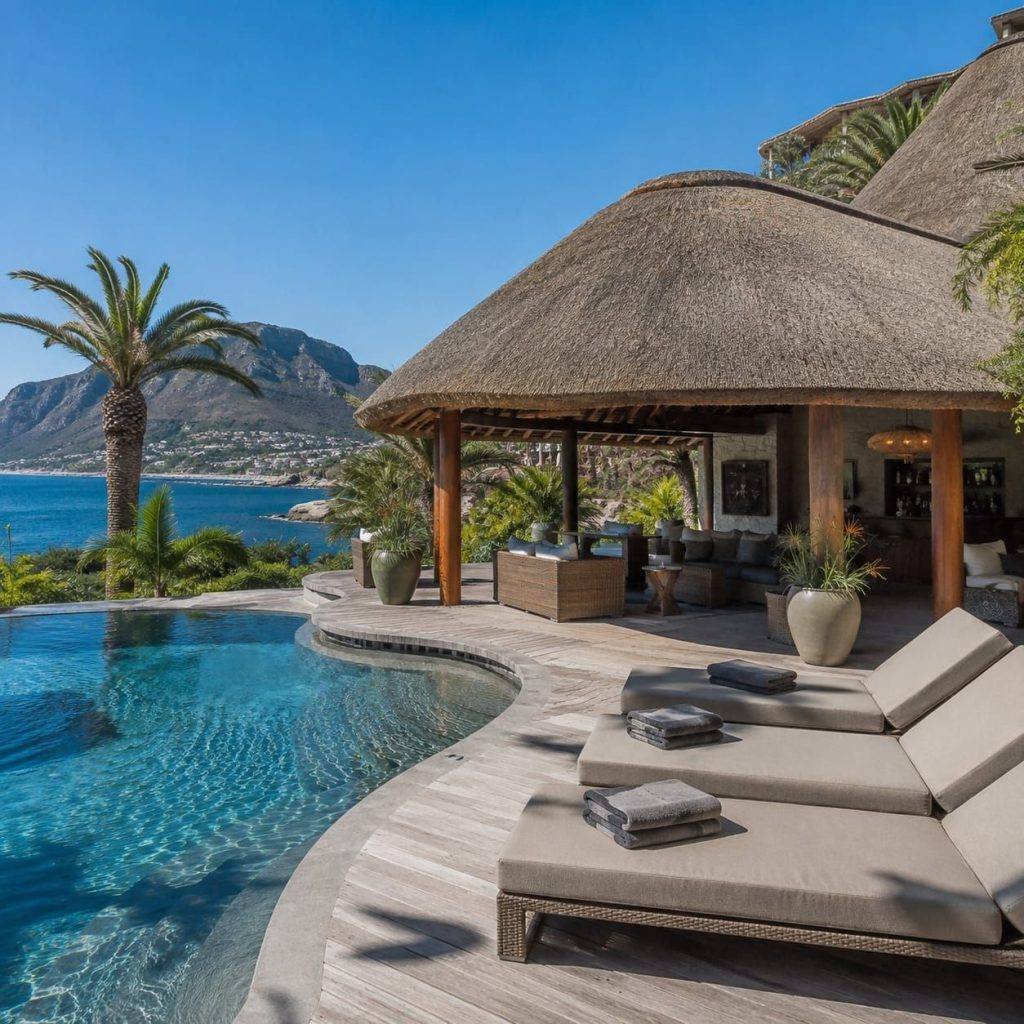
Lodges and restaurants use thatch for exactly this reason as much as for looks. A thatched patio or lapa is usable at midday in a way an equivalent steel or polycarbonate structure is not.
Should you add insulation under thatch?
Usually no, and this catches people out. Adding a conventional insulation layer directly under thatch is a common instinct and a bad idea in most cases.
Thatch needs to breathe. Moisture that gets into the top layer during rain has to be able to dry outward and, to a degree, inward. Seal the underside with a vapour-tight insulation blanket or a foil-backed board pressed against the thatch and you trap that moisture in the material. The result is rot in the body of the thatch and, in bad cases, in the timber structure.
If you genuinely need more thermal performance, the safe options are a properly ventilated air gap with an independent ceiling below it, or increasing the thatch thickness at the next re-thatch. Both keep the thatch breathing. See our guide on thatch roof ventilation and condensation before making any change to the underside of your roof.
Thatch thickness and performance
Thicker thatch insulates better, but thickness is not a free variable. It has to be matched to the pitch, the structure and the fixing method. A roof built to carry 200mm of reed cannot simply take 300mm because the owner wants a warmer house. The additional weight and the changed water path both matter.
If insulation performance is a priority for you, raise it at the design stage or before a re-thatch, not as an afterthought. Our guide to the re-thatching process explains what can and cannot be changed during that work.
The trade-off nobody mentions
Thatch insulates beautifully and it is also the reason thatched homes can feel stuffy without airflow. The same density that keeps heat out keeps air still. Good thatched houses pair the roof with cross ventilation, ridge vents where appropriate, and windows positioned to move air. Insulation and ventilation are not opposites here, they work together.
If you are weighing thatch against tile for a new build or a conversion, the insulation difference belongs in the comparison alongside maintenance and insurance. Our guides on thatch roof pros and cons and converting thatch to tile lay out both sides.
Comparing thatch with conventional roof insulation
A conventional tiled roof relies on a separate insulation layer in the ceiling, typically a fibre blanket, plus an air gap. It works, but the insulation is a discrete product that can settle, get disturbed by trades, or be installed badly and never checked again.
Thatch is different because the covering, the structure of the roof and the insulation are the same thing. There is nothing to settle and nothing hidden. When you look at the underside of the thatch you are looking at the insulation, which makes problems visible early. That transparency is genuinely useful, and it is one of the practical arguments in our list of thatch roof pros and cons.
Frequently asked questions
How warm are thatched roofs?
Very. A thatch roof is 200mm or more of densely packed stems full of trapped air, so it holds heat in winter and keeps summer heat out. The difference against a tiled roof can be several degrees on a hot day.
What loft insulation is best under thatch?
In most cases none pressed against the thatch. Thatch has to breathe, and a vapour-tight layer against it traps moisture and causes rot. Use a ventilated air gap with an independent ceiling below if you need more performance.
Are there problems with loft insulation and thatch?
Yes. The common problem is moisture. Insulation laid tight against the underside of thatch stops it drying and leads to rot in the thatch and sometimes the roof timbers.
Does thatch keep a house cool in summer?
Yes. The thickness delays heat transfer so the hottest part of the day has passed before warmth reaches the interior. It is one of the main practical reasons people keep thatch in Cape Town.
Want a straight answer on your own roof?
Free inspections across Cape Town and the Winelands. We’ll give you the number, the photos and the options: no pressure to book anything.