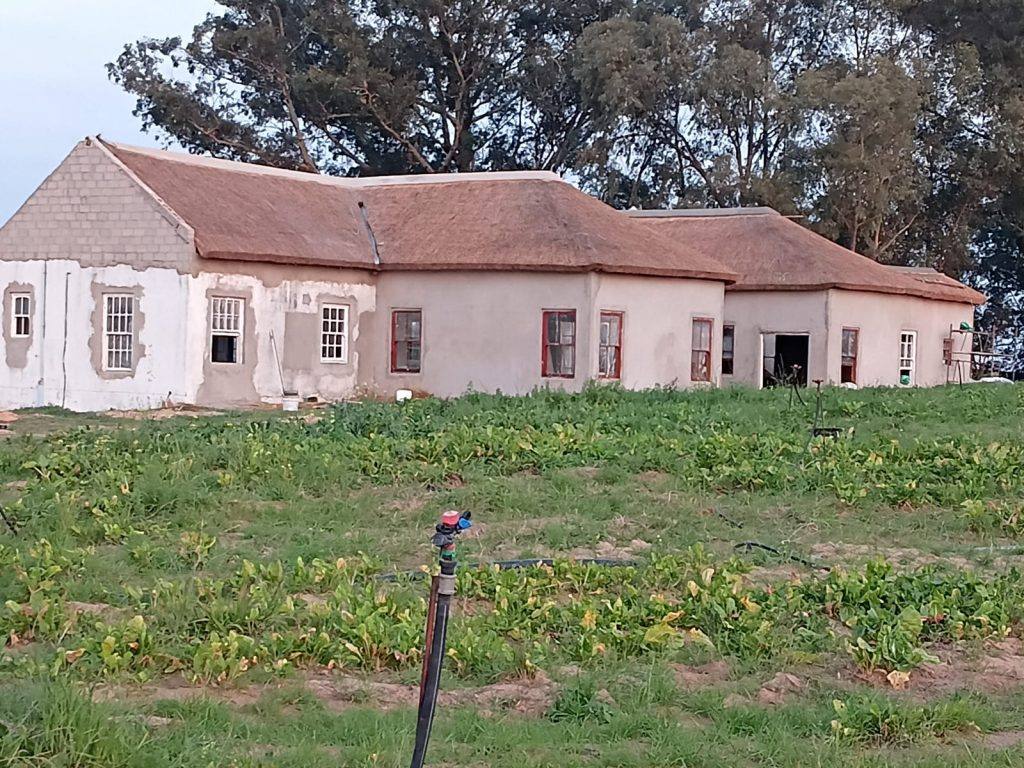
The convert thatch to tile roof cost is almost always higher than owners expect, because the structure underneath was built for thatch.
Every so often an owner decides they are done with thatch and want a tiled roof instead. Sometimes it is the right move; often it is a bigger, more expensive job than they expect, and the real problem could have been solved for far less. Here is what converting a thatch roof to tile actually involves, what it costs, and the questions worth asking before you commit.
Why owners think about converting
The reasons are almost always one of these: tiredness with maintenance, nerves about fire or rising insurance premiums, a roof that keeps leaking, or a re-thatch quote that gave them a fright. All valid: but each one has more than one solution, and ripping the whole roof off is the most drastic of them.
What a conversion actually involves
This is the part that surprises people: you cannot simply lay tiles over a thatch structure. A thatch roof is built on a timber framework designed for the weight and pitch of reed; a tile roof needs a different structure, battens and often a shallower pitch. Converting means stripping the thatch, reworking or replacing the roof structure, and building a tiled roof more or less from the framework up. It is a roof rebuild, not a swap.
Convert thatch to tile roof cost
Because of that structural work, a full conversion often lands close to: or above: the cost of simply re-thatching, once you add stripping, structural changes, tiles and finishing. Owners expecting a cheap escape from thatch are usually caught out here. Our thatch roof cost guide is a useful benchmark to weigh a conversion against.
Before you convert, ask this
- Is the real problem the thatch, or just years of skipped maintenance? A sound roof that leaks often needs a repair, not replacement.
- How old is the roof really? If it is genuinely at the end of its life, a re-thatch may cost less than a conversion: see how long thatch lasts here.
- Do you actually want to lose the thatch look? On a Cape home it is often part of the value.
- Would thatch tiles give you the look with the low upkeep you are after, without a full structural change?
The middle path most people miss
If it is the maintenance and fire worry driving you, thatch tiles keep the thatched look with far less upkeep and are usually a smaller job than a full tile conversion. If the roof is simply old, a re-thatch restores it for another few decades. Conversion to conventional tile makes sense in specific cases: it is just rarely the cheap fix people assume.
Not sure which way to go? See our thatching services and book an inspection: we will tell you honestly whether a repair, a re-thatch or a conversion is the sensible spend.
What the structural work involves
A thatch roof frame is built for a thatch load at a thatch pitch. Tiles are heavier per square metre in some cases, distributed differently, and they work at pitches thatch never uses. That usually means new battens at minimum, and frequently new rafters or a whole new roof structure.
An engineer needs to assess the existing frame before anyone quotes tiles. A conversion quote that does not mention the structure has not looked at it.
What you gain and what you give up
You gain lower maintenance, easier insurance and no fire compliance obligations. You give up the insulation, the interior character and, on many Cape properties, some of the appeal that made the house attractive.
Both are legitimate trades. What we would not want is an owner converting because their thatch was neglected, when a proper re-thatch would have given them another thirty years for less money.
Cost over twenty years, not day one
A conversion is a large single spend. A maintained thatch roof is a series of smaller ones: ridge work several times, brushing, treatment, and eventually a re-thatch at R200 to R400 per square metre.
Over a long enough period the conversion can come out ahead on maintenance alone, particularly if insurance on the thatch is expensive. Over five or ten years it rarely does. How long you plan to stay is the deciding variable and it is the one owners least often factor in.
The questions to answer before deciding
Is the current roof genuinely finished, or badly maintained? Is the insurance problem the thatch itself or missing certificates? Do you actually dislike the thatch, or the leaks? And how long are you staying?
Those four answers usually settle it. Owners who dislike leaks convert unnecessarily. Owners who dislike thatch are right to.
Related reading: thatch roof pros and cons, thatch roof insulation and thatch roof insurance.
Frequently asked questions
What does it cost to convert a thatch roof to tile?
It is a bigger job than owners expect, because the existing structure was designed to carry thatch and usually needs strengthening or replacing before tiles can go on.
Is converting thatch to tile worth it?
It depends on why you are converting. It resolves fire risk, insurance conditions and maintenance, but it is a substantial capital spend and it removes the character and insulation thatch provides.
Can you put tiles on an existing thatch roof structure?
Not usually without structural work. Thatch frames are built for a different load and pitch, so an engineer needs to assess the roof first.
What is the alternative to converting?
Often re-thatching properly and getting the compliance in order. Many owners considering conversion are actually reacting to a badly maintained roof rather than to thatch itself.
Want a straight answer on your own roof?
Free inspections across Cape Town and the Winelands. We’ll give you the number, the photos and the options: no pressure to book anything.