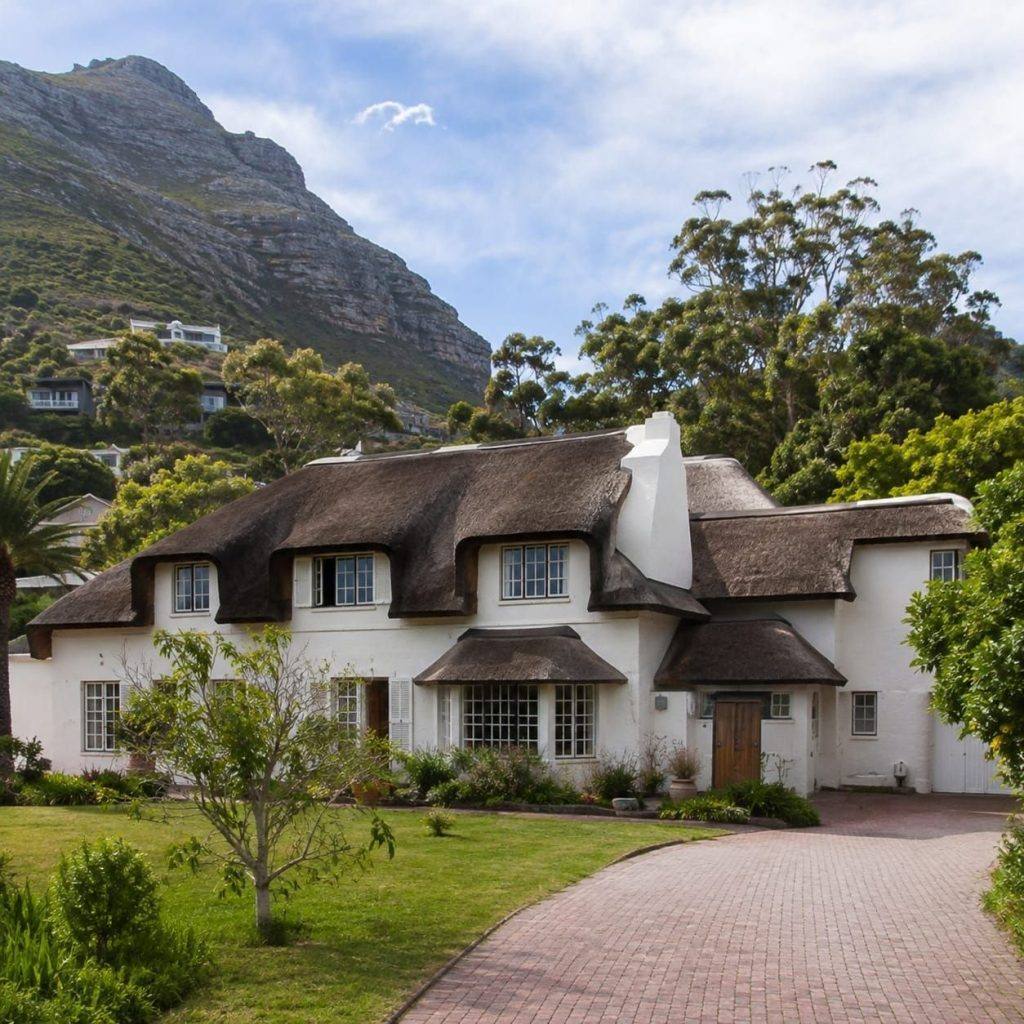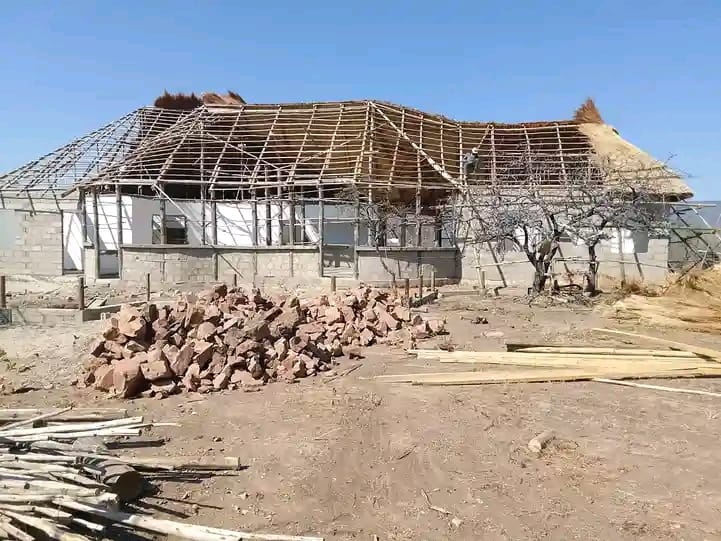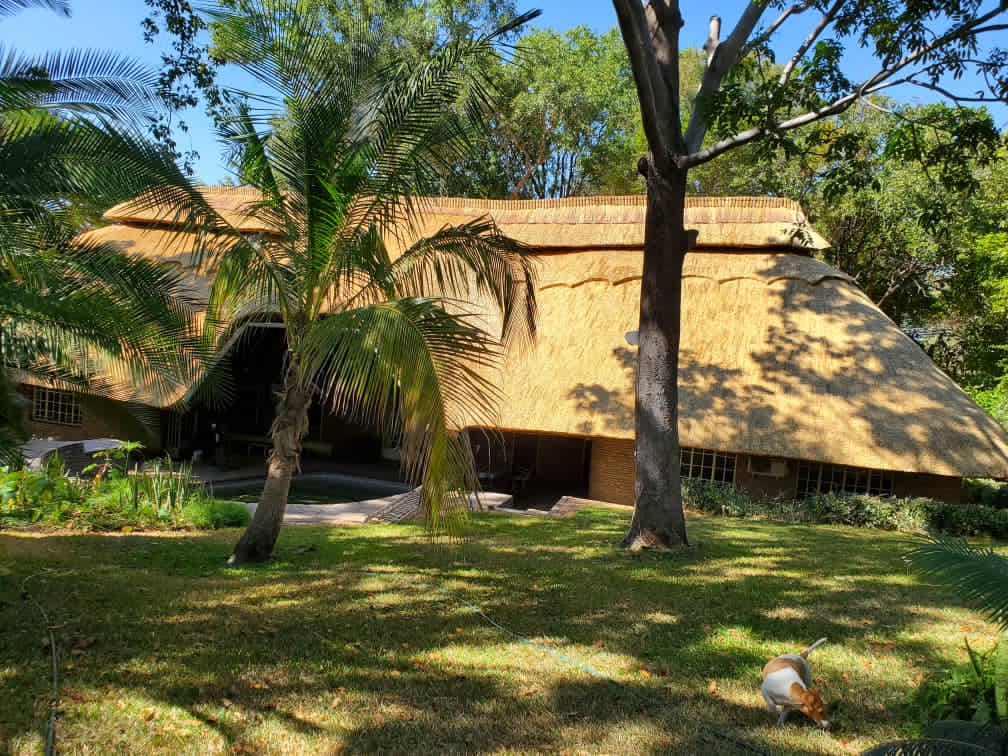
Thatch roof ventilation gets ignored until someone finds damp on the underside of their thatch and assumes the roof is leaking. Often it is not leaking at all. It is condensing, and the fix is completely different from a leak repair.
Thatch is a breathing roof
Unlike a tiled roof with a membrane, thatch allows a slow exchange of air and moisture vapour through the material. That is not a defect, it is fundamental to how thatch survives. The outer layer gets wet in rain and dries outward. Moisture from inside the house passes slowly outward too.
Anything that blocks that exchange creates a problem. This is why we are cautious about sealing the outside, covered in do thatch roof sealers work, and equally cautious about sealing the inside, covered in thatch roof insulation.
Where condensation comes from
Warm moist air rises. In a house it comes from cooking, showers, laundry and people. Under an exposed thatch ceiling that air reaches the underside of the roof, and if that surface is cold enough, the moisture condenses on it.
In Cape Town this shows up most in winter, on the south slope, in houses with open-plan kitchens and no extraction. Owners see darkened patches on the underside of the thatch and call it a leak. The tell is that it appears in cold weather rather than specifically during rain, and it is often worst above the kitchen or bathroom.
How to tell condensation from a leak
A leak follows rain and appears downslope of a specific fault. Condensation follows temperature and appears where warm air collects, usually high and often across a broad area rather than a defined patch. A leak drips. Condensation dampens.
If you are unsure, watch it through one dry cold week. Damp that worsens without rain is condensation. Our guide to thatch roof leaks covers the other diagnosis.
The ceiling decision
Two arrangements work under thatch, and one causes trouble.
Exposed thatch as the ceiling. The interior sees the underside of the thatch directly. Air moves freely against it, and any moisture problem is visible immediately. This is the traditional arrangement and it is the most forgiving.
An independent ceiling with a ventilated gap. A flat or raked ceiling below the thatch with a genuine air gap that is vented to outside air. This works, gives you a flat ceiling if you want one, and keeps the thatch breathing.
A sealed ceiling tight against the thatch. This is the problem case. Warm moist air gets into the cavity, cannot escape, and condenses against the cold underside of the thatch. The thatch rots from the inside where nobody can see it until it is serious.
Practical ventilation measures
Extract at source. Kitchen extractors and bathroom fans vented to outside remove moisture before it reaches the roof. This is the single most effective step in most houses.
Do not vent a tumble dryer or an extractor into the roof space or under the thatch. It puts a concentrated stream of warm wet air exactly where you least want it.
Where there is a ceiling cavity, make sure it is genuinely ventilated to outside rather than sealed. Cross ventilation at gable ends is often the simplest route.
Keep air moving in the house. Thatch is excellent at holding still air, which is great thermally and unhelpful for humidity. Open windows on opposite sides for a while each day makes a real difference.
What we look for on an inspection
We check the underside of the thatch for darkening and softness that does not correlate with a water path, look at what is above the kitchen and bathrooms, check whether any ceiling cavity is vented, and ask where the extractors discharge. Those four questions resolve most damp complaints that turn out not to be leaks.
If the thatch has already softened from long-term condensation, the affected area may need replacing regardless of fixing the ventilation. Our maintenance guide covers the checks worth doing twice a year.
Ventilation during and after a re-thatch
A re-thatch is the natural moment to fix a ventilation problem, because the roof is open and the structure is accessible. If you have had unexplained damp on the underside of the thatch, raise it before the work starts rather than after the new thatch is on.
The practical measures worth planning at that stage are routing extractor ducts properly to outside, opening up gable vents where a ceiling cavity exists, and deciding whether you want exposed thatch or an independent ceiling with a genuine air gap. All of them are far cheaper while the roof is off. Our guide to the re-thatching process covers what else is worth dealing with at the same time, and the year-round maintenance guide covers the day to day habits that keep humidity down.
Frequently asked questions
What are the options for thatch roof ventilation?
Extract moisture at source with kitchen and bathroom fans vented outside, keep any ceiling cavity genuinely vented to outside air rather than sealed, and maintain cross ventilation in the house. Exposed thatch as the ceiling is the most forgiving arrangement.
Why is the underside of my thatch roof damp?
Often condensation rather than a leak. Warm moist air from cooking and showers rises and condenses on the cold underside of the thatch, typically in winter and often above kitchens and bathrooms.
How do I tell condensation from a leak in thatch?
A leak follows rain and appears downslope of a fault. Condensation follows cold weather, appears over broad areas where warm air collects, and worsens during dry cold spells.
Why not install a dryer vent under a thatched roof?
It discharges a concentrated stream of warm wet air directly against the thatch, which causes condensation and rot from the inside where it is not visible until serious.
Want a straight answer on your own roof?
Free inspections across Cape Town and the Winelands. We’ll give you the number, the photos and the options: no pressure to book anything.